F/SCM Microsoft Platform General Session: Rethinking Work with AI, Prepare Data, Modernize Operations



At Community Summit North America 2026, the F/SCM Microsoft Platform General Session explored how organizations can modernize operations, rethink business processes, and prepare enterprise data for AI. Featured speakers highlighted both the potential of Dynamics 365 and Copilot to coordinate work across business functions and the practical challenges companies face when implementing new technologies.
Building a Foundation for Intelligent Operations
Scott Kenney, VP of IT at Traditional Medicinals, described to John Siefert the company’s move away from aging systems and manual processes toward a standardized operating model capable of supporting future growth. As supply chain complexities increased, the tea manufacturer needed greater visibility into sourcing, costs, and operations. Its commitment to organic and fair-trade herbs also requires close coordination with a relatively small network of growers, suppliers and customers. Rather than simply replacing technology, the goal was to establish a foundation for a more scalable operating system.
Chris Moore, Partner at Armanino, emphasized that successful implementations depend on more than selecting the right software. He described the difficulties that can emerge after an implementation project’s initial momentum fades, including integration challenges and scope changes. “Data is the most important aspect of any implementation,” he noted.
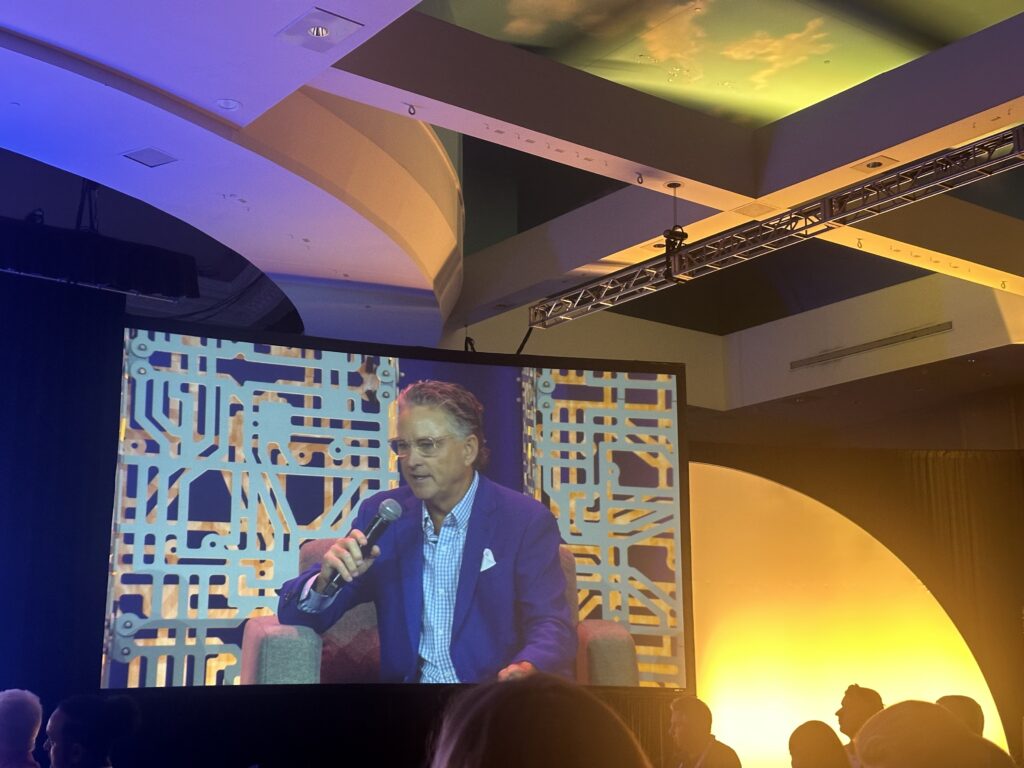
The discussion reinforced that organizations pursuing AI must first understand their data architecture, assess data quality, and prepare information for use across business applications.
Rethinking Work with AI
Georg Glantschnig, Corporate Vice President of Microsoft Dynamics 365 Agentic ERP Applications, expanded on this, suggesting that AI’s value comes from rethinking how work gets done rather than accelerating individual tasks.
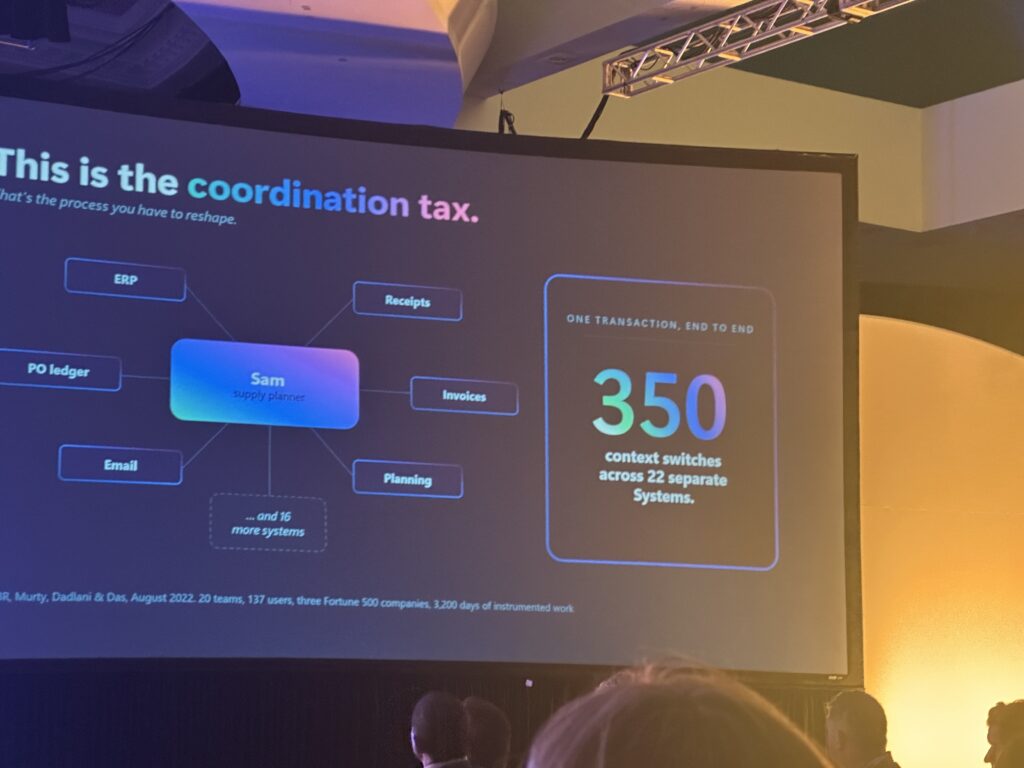
He described the “coordination tax” employees pay when they spend hours searching for information, chasing responses, and navigating approval chains. Agents, he expressed, can help coordinate these activities across systems and teams.
Live demos from Amanda Hillman illustrated that. In one scenario, Copilot helped a demand planner identify a market opportunity, evaluate production capacity and financial implications, and coordinate approvals from marketing, finance, warehousing, and supply chain stakeholders. An agent tracked responses and prompted stakeholders, while the employee held final approval authority. The process included documentation and an audit trail before approved changes were written back to business systems.
Other demonstrations showed how business skills could capture institutional knowledge and guide agents through recurring processes, including monthly demand reviews. Activate, an AI-assisted implementation framework that can help plan projects and coordinate tasks when expanding operations, was also highlighted. Agents could execute work in parallel while stopping for human review at key decision points.
The demos outlined a model connecting the user experience, business application capabilities, enterprise data, organizational knowledge, and governed agents. Glantschnig reinforced that organizations must maintain trust and governance while focusing on measurable business outcomes.
Customer Lessons: Prepare Data, Start With a Business Goal
To close out the session, Jon Byrd, Director at Sikich, and Mike Sanders, Director of IT at Mid-Continent Instruments and Avionics, took the stage for a Customer Innovation Profile. The aerospace manufacturer has worked with Microsoft business applications for more than a decade, advancing from Dynamics GP to Dynamics 365 Finance.
Sanders described the reporting complexity that accompanied the transition. When it went live with Dynamics 365 Finance approximately five years ago, reporting was fragmented across Excel, SQL, SQL Server Reporting Services (SSRS), and other tools. Its environment has continued to evolve through Power BI, Synapse, and Microsoft Fabric. That history now informs the company’s efforts to prepare its data for AI-powered workflows.
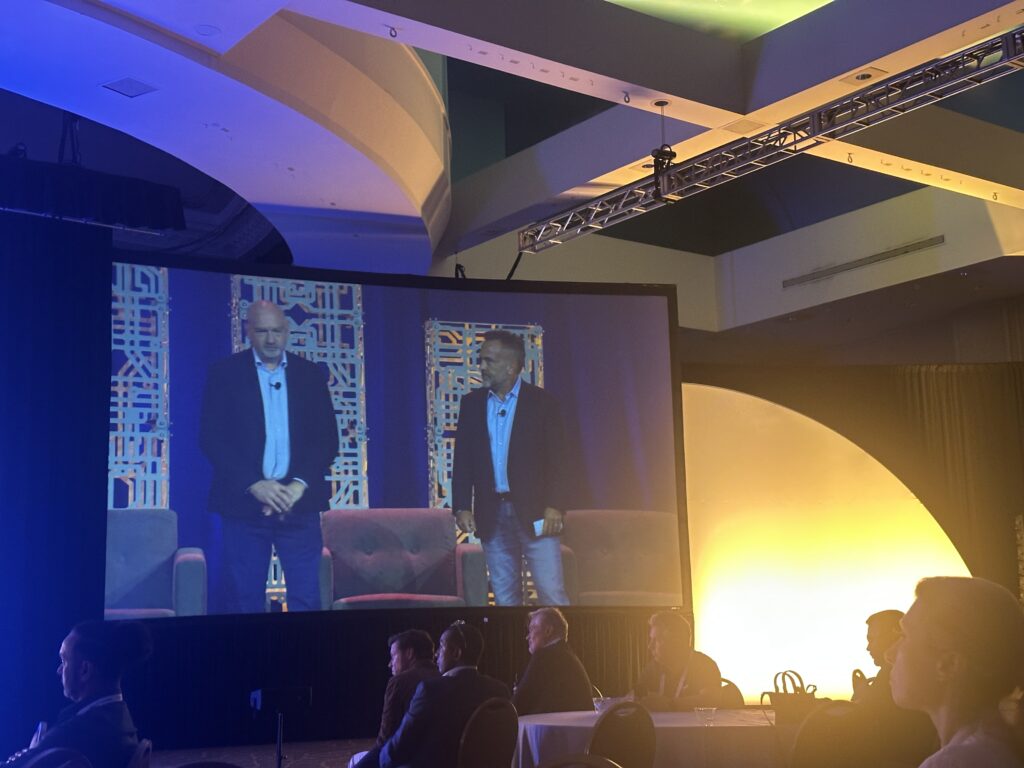
He underscored that AI readiness involves more than enabling an agent. Organizations must ensure the agent can access relevant business data, test it against realistic scenarios, and establish ways for employees to evaluate its performance.
Sanders closed with a broader recommendation for companies considering AI adoption: “Have your end goal in mind. Don’t use agent or agent of AI as the starting point. Find out where you want to go, and then use that as a tool to get there.”
Final Thought
Across customer stories and Microsoft’s demonstrations, the message was consistent: Meaningful transformation starts with business needs, sound data foundations, and redesigned processes. AI and agents can help organizations coordinate increasingly complex work, but their value depends on how well companies prepare, govern, and apply the technology.