Driving User Adoption in Dynamics 365 F/SCM: Why Insight at Go-Live Is Important



The ultimate measure of a successful Dynamics 365 Finance and Supply Chain Management (D365 F/SCM) implementation is not technical uptime, but widespread user adoption. A significant, often overlooked, risk post-go-live is user rejection. This post explores why deferring reporting tools and workspaces to subsequent project phases critically undermines adoption.
The Hidden Risk: User Rejection After Go-Live
During ERP implementations, organizations typically concentrate on transactional readiness, ensuring core processes like procurement, sales, and production can be executed at go-live. However, when essential reporting and analytical workspaces are relegated to “Phase 2,” users are left with a system that demands significant data entry but provides no immediate value or insight in return. This operational blindness forces users to revert to familiar tools like Excel, leading to the creation of “Shadow IT.” This not only compromises data integrity but also wear aways trust and confidence in the new ERP system from the outset.
The Strategic Importance of Reporting and Workspaces
Reporting capabilities and analytical workspaces are not optional add-ons; they are fundamental enablers of the behavioral change required for a successful digital transformation. Without these tools, users perceive the ERP system as a data-entry burden rather than a strategic asset that enhances their role. Workspaces in D365 F/SCM are designed to deliver role-based, actionable insights, empowering users to see the direct impact of their work and make data-driven decisions without navigating away from their primary interface.
Application Example: Sales, Inventory & Operations Planning (SIOP)
An effective SIOP process depends on access to accurate and timely data to align demand forecasts, supply chain capabilities, and inventory strategies. If, at go-live, planners do not have access to dashboards displaying key metrics—such as forecast accuracy, inventory turns, or capacity constraints—they will inevitably return to their offline Excel spreadsheets. This practice introduces data latency, creates version control issues, and ultimately undermines trust in the ERP’s data.
Conversely, by deploying SIOP dashboards and workspaces at go-live, organizations empower planners with real-time visibility. They can immediately assess demand versus supply alignment, monitor inventory health KPIs, and proactively adjust plans using embedded Power BI visuals directly within their D365 O/SCM environment.
Workspaces: The Engine for High Adoption
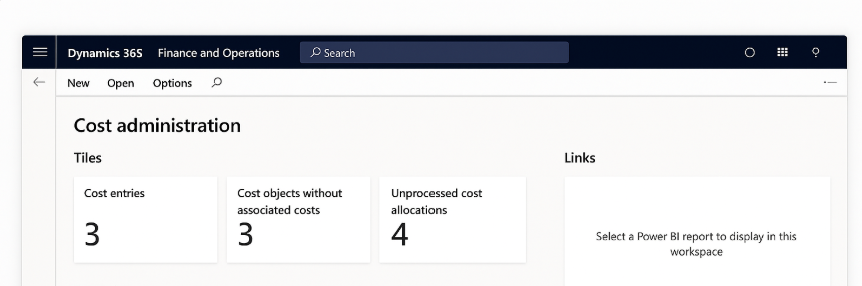
In D365Finance & Supply Chain, workspaces are engineered to provide actionable insights tailored to specific roles, including Production Control, Procurement, and Inventory Management. For instance, the Production Control workspace can highlight production bottlenecks and overdue jobs, while Procurement workspaces can display pending approvals and track supplier performance metrics. Configuring and deploying these workspaces as part of the initial go-live ensures that users experience immediate, tangible value from the system. This accelerates adoption by reducing their reliance on external tools and demonstrating the ERP’s power to optimize their daily functions.
Recommendations for a Successful Implementation
To ensure a high-impact rollout that drives user adoption, organizations should:
- Integrate reporting and workspace development into the Phase 1 scope and treat insight delivery as a core requirement, not a future enhancement.
- Utilize embedded Power BI to deliver rich, visual, and interactive insights directly within user workflows.
- Prioritize high-impact business processes, such as SIOP and production planning, for initial workspace deployment to demonstrate value quickly.
- Engage end-users early and often in the design process to ensure workspaces are relevant, intuitive, and address their most critical needs.
Final Thoughts
A successful D365 F/SCM implementation is measured by its business impact and the degree of user adoption, not merely by a successful technical go-live. Delivering insight alongside functionality is the definitive strategy for unlocking the true, long-term value of your enterprise resource planning investment.